
Quick, name a successful takeover of a retail company by a private equity or venture capital firm?
Stumped? Maybe that’s because so many of these deals have resulted in disaster for the retailer, which either eventually went out of business or was reduced to a shell brand, maybe selling online, maybe putting its office furniture on eBay or just fading into the shopping sunset.
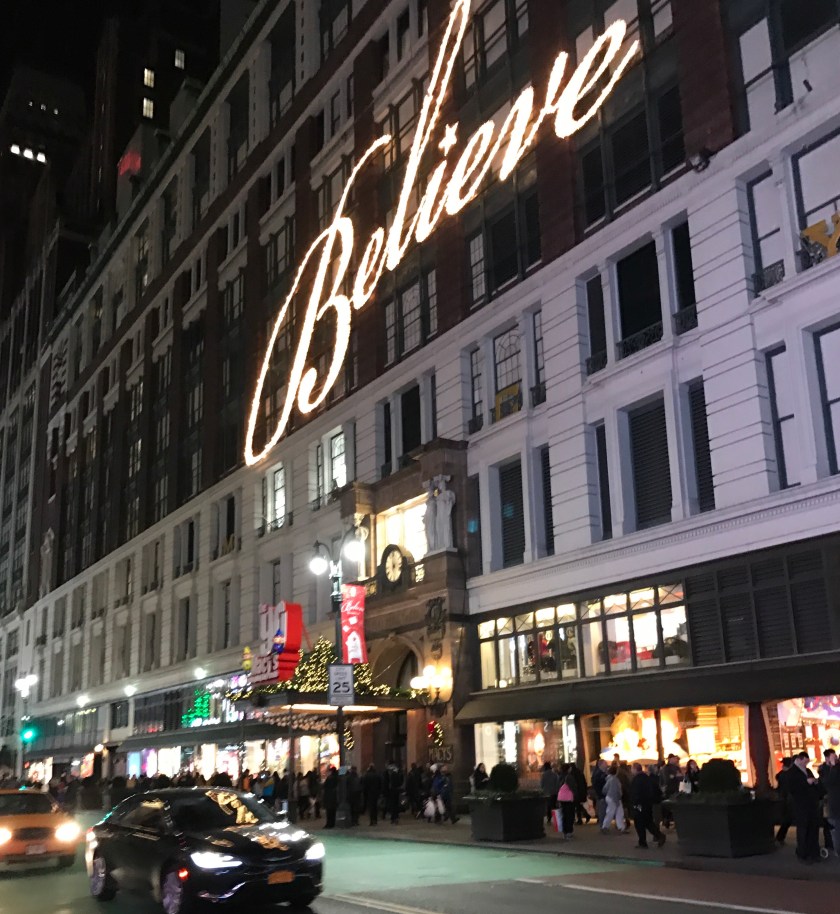
So the story over the weekend from the Wall Street Journal that two PE firms are reported to be making a bid to buy Macy’s for $5.8 billion and take it private has to send shivers up and down the department store spine of Macy’s executives and board. This is not the first time outside investors have come snooping around 34th Street but somehow this one seems more real…and more likely to happen, or at least set off a round of wheeling and dealing that could result in Macy’s having new corporate overlords.
A look back at previous deals where outside investors took over a retailer and ran it – often into the ground—is both dismal and consistent. Most recently, you have Neiman Marcus, Tuesday Morning and Toys’R’Us as poster children for deals gone bad. In each of those cases investors bought the brand and subsequently ended up taking it into Chapter 11 bankruptcy. The last two in that list eventually were liquidated, even if those names remain in some form or another under different ownership. Neiman’s is still around but continues to struggle, its ultimate fate unknown.
Then you have the retailers taken over by equity firms or other money-men who went private and remain in operation. On this list, you can include Saks Fifth Avenue, Belk and JCPenney, all of which exist in a financial black hole of unknown performance. More likely it’s a red hole…as in red ink.
You can go back anytime over the past few decades and find lots more examples of this scenario. Linens’n’Things is one and if I had more memory cells left I’m sure I’d come up with plenty more.
So, what will Arkhouse Management and Brigade Capital (who comes up with these banal names anyway?) do with Macy’s if they are successful in taking it over? Going from the standard playbook, they are likely to do any or all of the following: close stores, sell off real estate, lay off employees and divide the online business from the in-store side and monetize that in a public offering. They will also take out-sized management fees, special dividends to themselves and load down the company with the kind of debt that usually crushes retailing businesses.
Using somebody else’s money, these investors will take their share out of the business and do just fine. The company itself, probably not so much.
Listen, Macy’s is not a terrific business. It’s in a channel – department stores – that is becoming increasingly irrelevant to shoppers who are gravitating to the two extremes of the retail matrix: deep discount or high-end luxury. Macy’s is neither. There are many things it could and should be doing to fix itself. But the company has a robust online business – it was an early adapter and has done an excellent job in ecommerce – it has a great brand name and identify with shoppers and it is working on several initiatives like smaller stores, off-price and its Blue Mercury beauty brand that have nice potential, even if it will take some time for them to move the revenue and profitability needle.
The barbarians have been at Macy’s gate before and the company has successful fought off the infidels. These two investment groups apparently already hold a stake in the company and so far Monday morning Wall Street is putting its money where its mouth is in the belief that something is going to happen: the stock is up more than 18% in morning trading. That values it around the total value of the takeover offer but is still nearly 25% below Macy’s high share price for the trailing 52-week period, about $25. In the mid-teens the stock traded as high as $72…but that was before Amazon, Target, TJX and others really went on their market share rampage.
If this deal goes through it will mark another big national retailer in private hands. That list currently includes Belk, Saks and JCPenney. It’s not a place Macy’s wants to be…or should be.
The irony of this deal coming only a few weeks after its legendary Thanksgiving Day Parade – there are still many who call it the Macy’s Day Thanksgiving Parade – and in the throngs of the holiday shopping season can’t be overlooked. Nor the fact that the company is in the process of handing off its CEO job from Jeff Gennette to Tony Spring early next year.
From those creaky escalators in the Herald Square flagship to all those far-flung branch stores throughout America, Macy’s for better or worse is America’s department store. It deserves better than to be swallowed up by big-bad moneymen who are going to most probably do bad things to it…very bad things.
 WarrensReport