
Back before Walmart and Target took over the national mass merchandising channel, virtually every sector of the country had at least one – often many – regional discounters firmly entrenched in the consumer shopping psyche. From Bradlees and Caldor in the northeast to Shopko in the midwest and from Jefferson Ward in the south to Zodys in the west, each was a staple of the area…until they weren’t.
Yet more than 20 years after Walmart and Target came to dominate the discount channel – taking out the only other national player in the space, Kmart – one regional discounter remains and it’s a substantial factor in the Midwest in general merchandise including home furnishings as well as grocery, defying the retail odds…not to mention the retail gods.
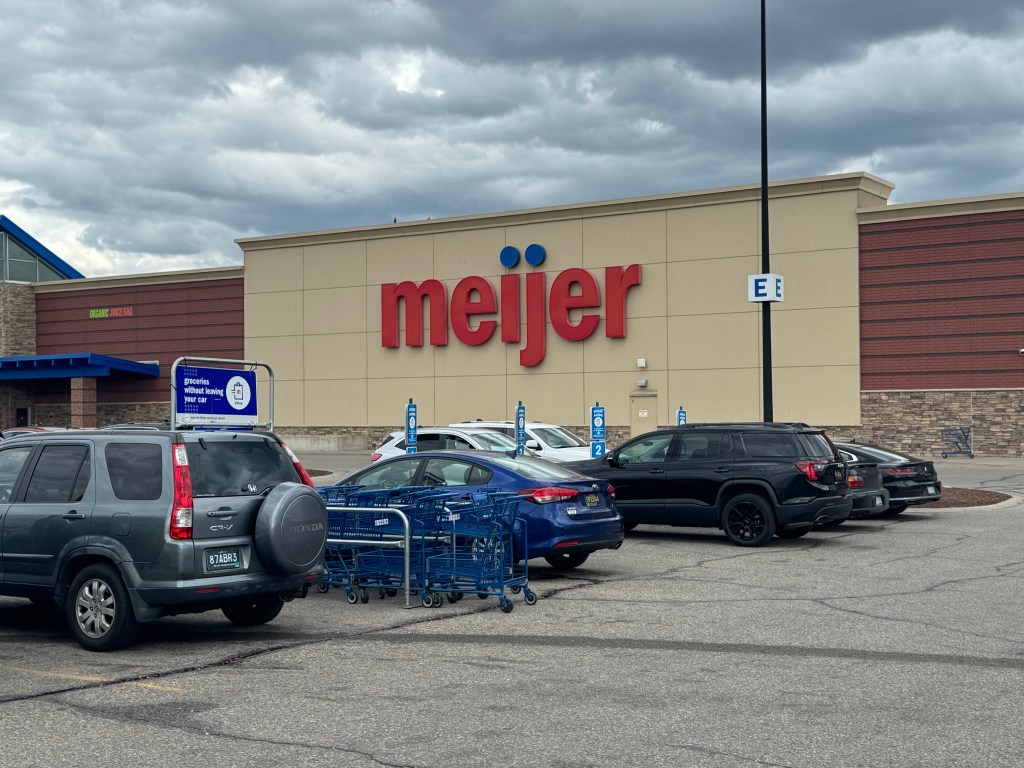
Meijer – you pronounce it like the lemon not the army rank – continues to endure, even prospering, just recently opening three new stores in an era when new stores have largely become an endangered species. (Full disclosure, the similarly sounding if differently spelled Northwestern chain Fred Meyer is also a regional player but as part of the Kroger empire it is much more about groceries than general merchandise.)
The company’s latest expansion only confirms its viability. Three new locations – two in Ohio and one in Michigan – bring its store count up to over 500 doors. Just about half, about 240, are its superstore formats, combining general merchandise and grocery. The rest are smaller, including pure-play supermarkets and neighborhood locations, all in six states: Michigan, Ohio, Indiana, Kentucky, Illinois and Wisconsin. (By comparison Target has close to 1900 locations and Walmart 4,600 in the U.S.)
This begs the question: how does Meijer do it?
First off, Meijer is privately owned, something that seems to be gaining popularity in retail recently. At Home and JCPenney are private, the Nordstrom family is trying to take its namesake company private and an investment group wants to make Macy’s private too. But Meijer, founded 90 years ago in Greenville, MI by Dutch immigrant Hendrik Meijer as a grocery store, has always been private, allowing it to grow and invest in its business without Wall Street dictating its quarterly profits. Still owned and run by the Meijer family the company is believed to do about $20 billion in annual revenue but does not disclose its actual results.
Meijer was also one of the first in its retail channel to combine general merchandise with groceries. At the time, operating under the Meijer’s Thrifty Acres name, it began opening superstore formats way before other discounters discovered this business model. In fact, a competitor freely admitted that after seeing a Meijer store it knew it had to move into the grocery business. That competitor? Sam Walton and today Walmart is the largest seller of groceries in the country.
Appealing to its Midwestern customer base, Meijer has several anachronistic touches: a fresh flower and floral department, a large magazine and book section and even benches strategically located around its racetrack layout where shoppers can take a break while navigating the expansive store.
It seems to have a culture that also reflects a different time in retailing. It donates 6 percent of its net profits to charitable causes and makes a point on its website to emphasize its roots: “Meijer is a family business. We believe in treating each other with dignity and respect. We are committed to strengthening the communities we serve.”
One could even say it has values you don’t see very often anymore. It quotes second generation Fred Meijer on its site: “Customers don’t need us, we need them.” And even more so: “I want to leave the world in a little better shape than when I entered it.”
Call Meijer old-fashioned, call it a throwback or call it a reminder of a retail era gone by. But also call it a survivor…and very successful.
 WarrensReport