
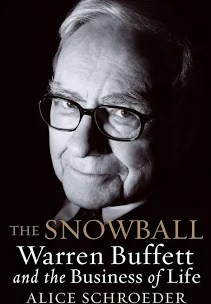
Warren Buffett is unquestionably the most highly regarded and respected person in American business and has been so for decades. For just as long, he has been the holy grail for other business executives to aspire to and to proclaim, without a hint of modesty, they are – or soon will be – the next Warren Buffet.
Bill Ackman, the hedge fund manager whose Pershing Square Capital Management has had its share of both wins and losses in the corporate takeover and investment game, is now the latest. In recently announcing a proposed takeover of Howard Hughes Holding –which far removed from its namesake founder is now largely a real estate developer – Ackman was none too shy about calling up the hallowed name of Buffet and his Berkshire Hathaway conglomerate.
“We are going to announce a potential transaction which, if completed, will provide me and my firm (is that even proper English?) with the opportunity to create our own, you might say, modern-day version of Berkshire,” he wrote in a social media post owned by another one-time Buffet seeker, Elon Musk. “Fortunately, our starting base of assets won’t be a dying textile company, but a very good business.”
In fact Ackman was right about Berkshire’s origins as a downtrodden supplier in the textiles sector. It was an early investment for Buffet and he used it as the foundation for the now-$89-billion-in-annual-sales company.
(Buffet, by the way, liked to joke that yes the company started out making textiles products “but then we decided we wanted to make money and sold that off to go into other businesses.”)
Ackman has had his fair share of moneymakers– General Growth Properties, Wendy’s, Canadian Railway – as well as more than a few failures, most notably his disastrous play in driving a radical remake of JCPenney that eventually led the iconic retailer to lose more than a quarter of its sales in just 18 months and eventually have to file bankruptcy.
But at no time was Ackman even remotely working to emulate Buffet’s Berkshire model of a holding company that assembled a group of disparate operating companies for the long-term and let them grow and develop with the parent company’s capital investment but without its interference. To say he will do that with Hughes is based only on Ackman’s own bravado and not any history.
But Buffet has always been the object of historical envy. Perhaps one of the most high-profile involved Eddie Lampert, the wheeler-dealer who bought Sears and Kmart in the early 2000s and talked about creating the next great American retailing corporation, a Berkshire for stores. We all know how that turned out and these days Fast Eddie is holed up on a private island in Florida (where it seems those who talk a better game than they actually execute live), counting the money he sucked out of this monstrosity all along its slow but steady collapse.
But Lampert was far from the only Warren-wannabe. In 2023 CNBC wrote that the list included not only Lampert and Ackman but also Sam Bankman-Fried of the FTX crypto exchange and Chamath Palihapitiya of Social Capital. You’re excused if you haven’t heard any more of this talk in a while. (Bankman-Fried would be especially challenged to pull this off from his jail cell.)
The fact of the matter is that Buffet is a brilliant strategist and businessperson who has created a one-of-a-kind business model that we’re going to find out sometime in the next decade or so (probably) if it has the chops to outlive him. All kinds of other similarly constructed conglomerates from ITT and Gulf & Western (who doesn’t still call it Engulf & Devour?) to Teledyne and Litton all imploded eventually when the sum of their parts far from equaled the total after their visionaries departed the corner office.
So, Ackman’s business track record is far from clear to think he could be the next Warren Buffet. Frankly, he sometimes has a hard enough time being the current Bill Ackman.
 WarrensReport